
Recreational poker in South Africa finds new momentum
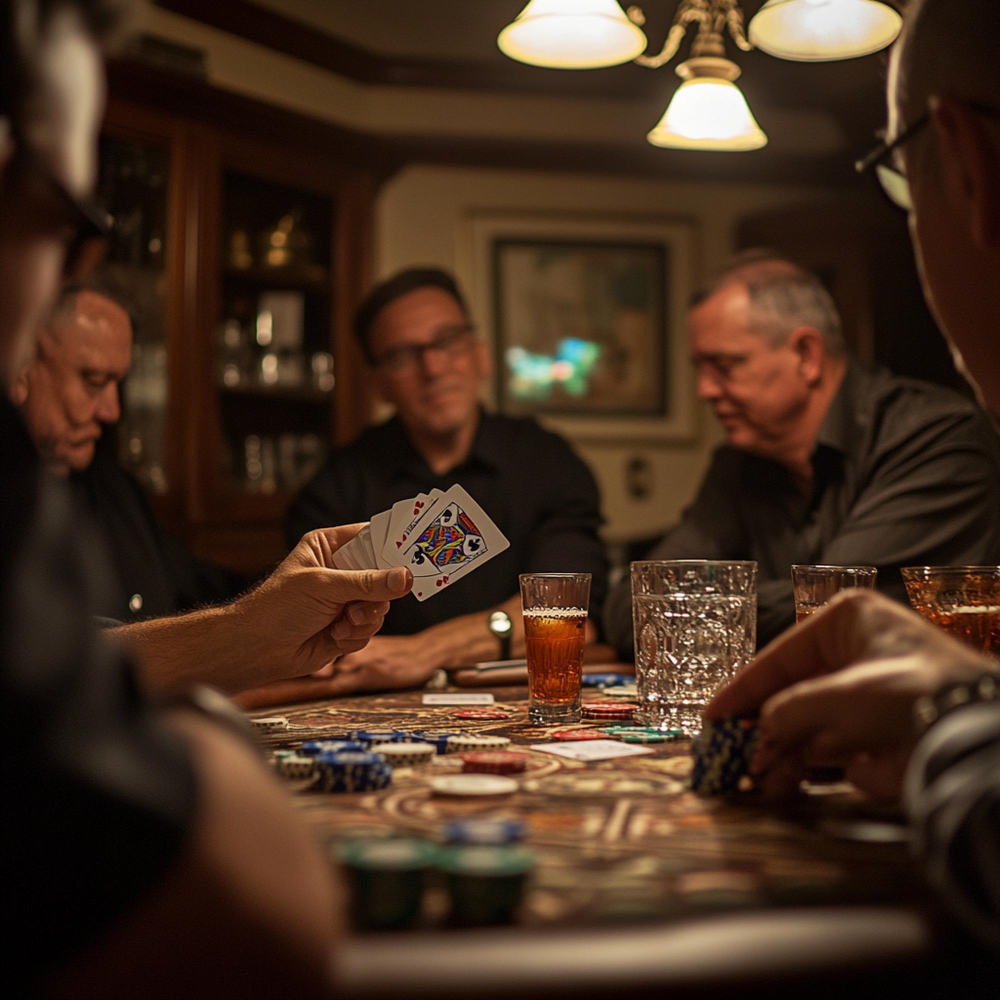
From apartment leagues in Cape Town to weekend tables in Johannesburg and Durban, recreational poker in South Africa is enjoying a noticeable revival. More players are organising low-stakes home games built around friendship, competition and a shared interest in learning the game.
The appeal is easy to understand. Home games can be more affordable than travelling to a major casino tournament, and they allow hosts to create a relaxed structure that suits the experience level of the group.
Many new games are being organised through private messaging groups, workplace networks and local poker communities. Some meet monthly, while others run short seasonal leagues with points tables and a final tournament for regular participants.
Why home poker games are attracting new players
Poker can appear intimidating when first encountered in a large card room. A home game removes much of that pressure because players are usually surrounded by people they know and can ask questions without feeling rushed.
Low buy-ins also make the game easier to try. A small, fixed entry fee gives participants a full evening of entertainment while limiting the amount at risk. Hosts often use tournament chips rather than cash on the table, which keeps the format simple.
The social side is equally important. Food, music and conversation are often as central to the evening as the cards. For many groups, poker is becoming an alternative to a restaurant outing, sports watch party or traditional board-game night.
Technology supports recreational poker South Africa
Free tournament timers, blind calculators and group-management apps have made home games easier to run. Hosts can build a balanced structure, display the clock on a television and track league points without specialist equipment.
Online videos and strategy content have also helped beginners learn the basics. Players now arrive with a better understanding of hand rankings, position and common betting terms, which reduces the time required to explain the game.
Social media has contributed to the trend by showing poker as an accessible hobby rather than an activity reserved for high-stakes professionals. Short clips of friendly games, dramatic hands and themed events encourage other groups to start their own tables.
Keeping home games safe and responsible
The growth of home poker does not remove the need for clear boundaries. Hosts should understand the laws that apply in their area and avoid operating games for commercial profit without the required permissions.
A good home game sets the buy-in, re-entry rules and finishing time before play begins. Players should never feel pressured to spend more than planned, lend money at the table or continue after they are uncomfortable.
Alcohol can add another risk if it affects decision-making or creates conflict. Many organisers keep stakes modest, stop re-entries after a fixed level and make transport arrangements for guests who need them.
How to start a responsible recreational poker group
New organisers should begin with a small group, a simple tournament format and a written set of rules. Agreeing on starting chips, blind levels, re-entries and payouts before the first hand prevents avoidable disputes.
A rotating host system can spread the cost and responsibility. One person can manage the timer, another can handle chips and results, and a third can organise refreshments or transport.
The healthiest groups review the game after each session. Small adjustments to stakes, structure and finishing times help keep recreational poker enjoyable for both experienced regulars and complete beginners.
Community is driving the home game boom
The strongest home games succeed because they create community. Regulars welcome new players, explain rules fairly and focus on enjoyable competition rather than extracting maximum value from beginners.
Leagues can deepen that sense of belonging by rewarding attendance and consistency. A player who rarely wins an individual night may still enjoy following the standings and improving over the course of a season.
Recreational poker in South Africa is likely to keep growing as long as games remain social, affordable and responsibly managed. The boom is less about huge pots than it is about people finding a flexible way to compete, connect and enjoy a game that combines luck, patience and skill.